
If you made the jump to a Pixel last year like many others (including me) and fell in love with how it handles day-to-day tasks, seamless Gemini integration, and how easy it makes moving files back and forth with iOS devices, you might be wondering what Google has cooked up next.
Made by Google has officially announced the brand-new Pixel 11 series. But if you are currently holding onto a Pixel 9 or 10 Pro, you might find yourself asking a very reasonable question: is there actually enough here to care?
Let us break down what Google’s latest hardware drop means for everyday users, why your wallet might want to sit this one out, and where the real excitement actually lies.
Who Is the Pixel 11 Actually For?
If you jumped ship from Apple recently, you already know how smooth the transition can be. Pixels have carved out a brilliant niche by offering clean software, great cameras, and clever features that do not require a computer science degree to figure out.
However, the Pixel 11 generation feels more like a gentle hop than a giant leap forward. If you already own a Pixel 10 Pro, the changes this year are subtle. This lineup feels heavily aimed at people still sitting on older handsets or those finally tempted to make the switch over from iOS, rather than last year’s buyers.
For anyone looking at the entry-level options, the base Pixel 11 is shaping up to be the clear winner for pure value. It gives you the core Google experience without forcing you into four-digit price territory.

The Tensor G6 Chip and the Gemini Push
The undisputed main feature of the new phones is the Google Tensor G6 chip. Google is leaning harder than ever into on-device artificial intelligence, tightly integrating Gemini to handle personal assistance tasks faster and more naturally than before.
When it comes to daily use, the phone handles navigation, messaging, and search queries effortlessly. But while the software smarts are sharp, physical specs have raised a few eyebrows.
If you have been keeping an eye on tech supply chains, you will know that global memory constraints (often dubbed the RAMageddon) are hitting the industry hard. This reality check likely explains why we are seeing a drop down to 12GB of RAM on the Pro models compared to previous generations. It is a curious trade-off when prices are moving in the opposite direction.
Spending Over Two Grand in This Economy?
Let us address the elephant in the room: the cost of living.
With the top-end models and foldables stretching well past the two-thousand-dollar mark, it is fair to wonder who is casually dropping that kind of cash on a phone right now. Sure, tech nerds love having the absolute newest toy, but household budgets are tight everywhere.
When you factor in that the base models start things off at a more grounded price point, paying a massive premium for minor incremental upgrades becomes a tougher sell.
As for the new highlight feature touted by Google for the cameras? It sounds fantastic on paper, but features like this live or die by real-world testing. Right now, it feels a bit limited, and we will need to spend some proper time with it to see if it delivers any genuinely useful tricks or if it is just another clever party trick.

The Real Winner: Pixel Watch 5
Interestingly enough, the most exciting part of Google’s entire hardware drop is not even a phone.
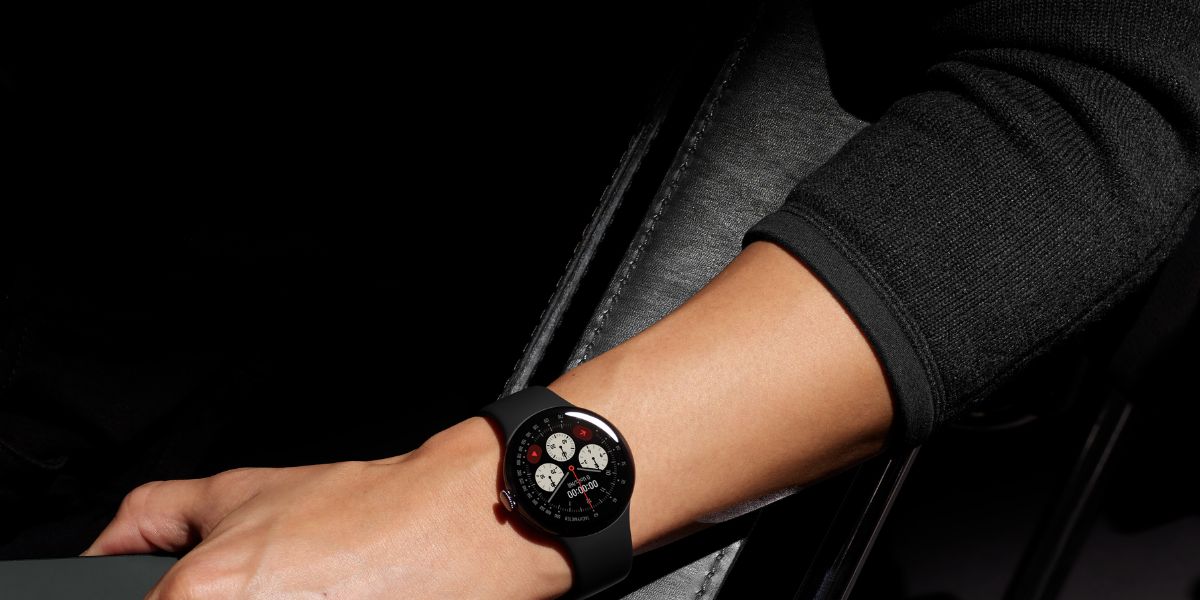
While the phone upgrades are iterative, the Pixel Watch 5 steals the spotlight. Previous generations had their quirks, but the new watch addresses the biggest user complaints head-on. It delivers significantly better battery life, a brighter and crisper screen that you can actually read outdoors, and refined fitness features that make it a much more compelling daily companion.
If you are itching for an upgrade from Google this year, skipping the phone and looking at the wristwear might just be the smarter play.